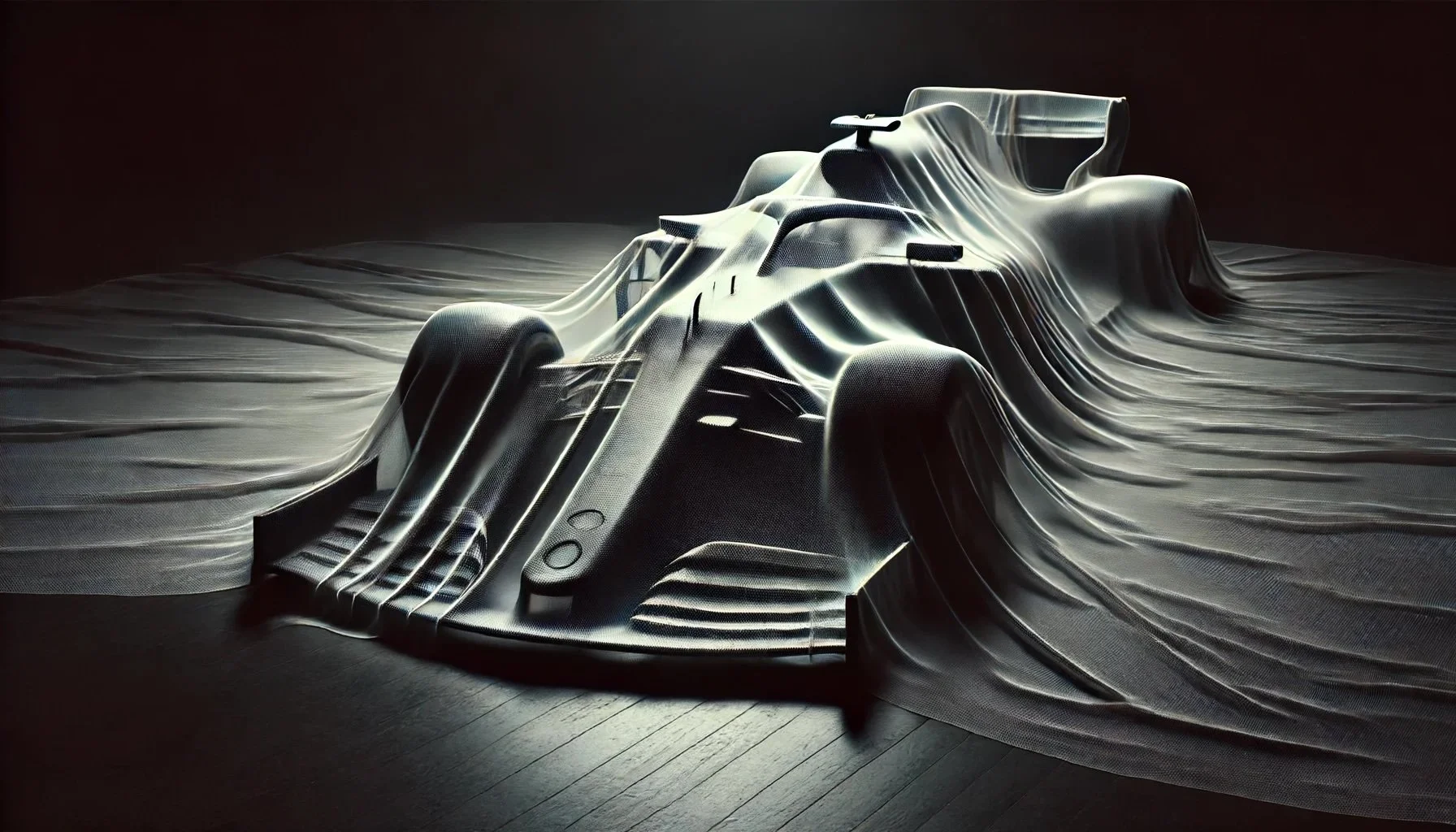
Formula One powertrain
Key results.
On the 2026 grida clean-sheet power unit, there for the first race
13 engineersinside the team's own tools and standards, so its leads stayed on the engine
The challenge.
The 2026 regulations rewrote the Formula One power unit. Every manufacturer started again from a clean sheet, with a first race that would not move for anyone.
The team needed more engineers who could work at its pace from the first week: inside its own tools, standards and processes, across mechanical design, electronics, embedded software and design for manufacture, without adding load to the people already carrying the programme.
Our approach.
The team kept ownership of the architecture and every decision on it. Our engineers worked inside its programme as part of its own structure, adopting its toolchains and documentation standards and taking clear technical ownership of the work they were given.
Senior HQ engineers led the integration, so the team's leads could spend their time on the engine rather than on managing another supplier. Iteration ran at the speed the programme set, right through the late-stage integration where mechanical, electronic and software constraints met.
What we delivered.
Thirteen engineers, sustained over several years, across mechanical design, electronics, embedded software and design for manufacture. The specific work is the team's, and it stays confidential.
The outcome.
The red lights went out on the 2026 season with that power unit on the grid.
We can't say whose. That's usually true of our best work.
Hooper Quinn Limited
Hillesden
Buckingham
MK18 4BY
United Kingdom
///genius.tempting.special